Biggest Chefman Crispinator Buying Mistakes (And How to Avoid Them)
Introduction
The Chefman Crispinator is a family of countertop "air crisping" appliances that promise faster, lower-fat cooking and a crispy finish similar to deep frying. For buyers drawn to convenience, energy savings, and the ability to reheat or finish frozen foods crisply, a Crispinator can be an appealing addition to the kitchen. Yet many shoppers make mistakes at purchase that lead to disappointment: choosing the wrong size, misunderstanding how crisping performance varies with food and technique, or neglecting practical considerations like counter space, circuit load, and cleaning. This article walks through the most common buying errors people make when choosing a Chefman Crispinator and explains how to avoid them so the appliance delivers reliable, everyday value.
Detailed Product Review and Analysis
The Chefman Crispinator line is designed around rapid hot-air circulation, compact countertop form factors, and simple user interfaces. While features vary across specific models, several common themes define the user experience.
Design and Build
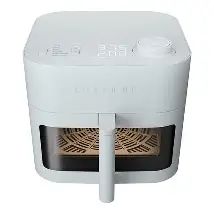
Chefman Crispinator units typically use a pull-out basket or front-loading drawer, a nonstick cooking surface, and a plastic or stainless-steel exterior. Controls are offered as mechanical dials on budget-friendly models and digital touch panels with preset programs on higher-end versions. The overall footprint is smaller than a conventional oven, making these appliances a practical option for apartments, dorms, and kitchens where a full-size oven is impractical.
Performance and Heat
Performance centers on fast convection circulation: a heating element and a high-velocity fan drive air at the food to promote Maillard browning. Buyers can expect shorter cook times than an oven for small to medium batches, and crispiness on frozen snacks, fries, breaded proteins, and reheated pizza crusts. Temperature controls usually reach up to 400°F (about 200°C), which is adequate for a wide variety of crisping and roasting tasks.
Capacity and Use Cases
Crispinators come in a range of capacities—compact models for singles or couples, mid-size units for small families, and larger countertop variants for bigger batches. Real-world use cases include:
- Quick weeknight dinners: air-crisped chicken tenders, roasted vegetables, and salmon fillets.
- Frozen food finishing: fries, nuggets, and handheld snacks brought to ideal texture without deep frying.
- Reheating: restoring crispness to pizza, tacos, and fried takeout leftovers.
- Light baking: single-layer cakes, muffins, or small casseroles for households that prioritize speed and convenience.
- Meal prep: cooking multiple small batches for portioned meals when recipes are adjusted for shorter cook times.
Cleanup and Maintenance
Ease of cleaning is often a selling point. Most Crispinator baskets and trays are coated with a nonstick finish and many are dishwasher-safe, though repeated dishwasher cycles and abrasive cleaners will shorten the nonstick lifespan. The exterior plastic is generally easy to wipe, but attention to the heating element area is necessary when crumbs accumulate.
Noise and Energy Use
Like all compact convection appliances, Crispinators produce fan noise during operation. Noise levels are typically comparable to a small microwave or range hood at low speed. On energy use, countertop crisping appliances draw fewer watts than full-size ovens for small jobs and heat faster, making them efficient for single-plate meals; typical kitchen circuit and outlet capacity should still be considered before purchase.
Common Buying Mistakes and How to Avoid Them
Understanding the pitfalls that lead to buyer regret is the fastest route to getting a Crispinator that actually fits daily habits. The following are the most frequent mistakes and practical fixes.
Mistake 1 — Underestimating Capacity
Many purchasers choose a compact unit because it’s cheaper or looks neater on the counter, then discover the basket is too small for a family meal. A unit that barely fits a single chicken breast will frustrate anyone trying to cook for two or more.
How to avoid: Consider typical batch sizes and err on the side of a slightly larger capacity. If cooking for two plus occasional guests, choose the next size up rather than the smallest model. Measure the basket footprint against a sheet pan or dinner plate to visualize real cooking space.
Mistake 2 — Ignoring Counter Space and Ventilation Needs
Buyers sometimes place a Crispinator in a cramped corner or under an overhanging cabinet without leaving sufficient clearance for ventilation or to open the drawer fully.
How to avoid: Check the manufacturer's recommended clearances and physically map the appliance in the intended spot—open drawers and allow for air circulation around vents to prevent heat damage to cabinets.
Shop the latest Electronics picks on Amazon.
Browse Now →Mistake 3 — Overvaluing Presets and Undervaluing Temperature Accuracy
Presets are convenient, but they are not a substitute for consistent temperature control. Some units report a temperature on the dial but run hotter or cooler in practice, affecting results for delicate recipes.
How to avoid: Read independent user reviews that include temperature checks or use an oven thermometer on first use. Adjust times and temperatures based on observed performance rather than relying solely on presets.
Mistake 4 — Not Considering Circuit Load
Compact appliances still draw significant power while running. Plugging multiple high-draw devices into a single outlet can trip a breaker or cause slowdowns.
How to avoid: Verify the Crispinator’s wattage and ensure the kitchen circuit can handle it alongside other commonly used appliances. Avoid using it simultaneously with electric kettles or space heaters on the same circuit where possible.
Mistake 5 — Focusing Only on Price
Lower-cost units can look attractive, but inexpensive models often skimp on build quality, warranty length, and reliable components like long-life fans and durable nonstick coatings.
How to avoid: Balance price with durability features: thicker baskets, stainless-steel exteriors, and longer warranty coverage. Consider cost-per-use: a sturdier unit that lasts several years is often cheaper in the long run.
Mistake 6 — Misunderstanding True "Health" Benefits
Buyers sometimes assume an air crisping appliance makes every food healthy automatically. While air crisping reduces oil use compared with deep frying, food choices and portion sizes still determine health impact.
How to avoid: Use the Crispinator to prepare nutrient-rich foods—roasted vegetables, lean proteins, and whole-grain sides—and treat convenience foods as occasional options rather than staples.
Pros & Cons
- Pros
- Fast preheat and shorter cook times for small to medium batches
- Produces crispy textures with minimal oil
- Compact footprint compared with conventional ovens
- Easy cleanup—many baskets and trays are dishwasher-safe
- Useful for reheating without sogginess
- Cons
- Limited capacity for large family meals unless choosing a larger model
- Nonstick coatings wear over time; replacement parts can be limited
- Temperature accuracy varies by model—some require calibration or manual adjustment
- Fan noise may be noticeable during operation
- Single-use expectations can lead to underutilization if bought for one specialty task
Comparison Table: Typical Crispinator Sizes vs. Oven
| Feature | Compact Crispinator (single/couple) | Mid-size Crispinator (small family) | Conventional Oven |
|---|---|---|---|
| Typical usable capacity | Small—best for 1–2 servings | Medium—able to handle 3–4 servings | Large—suitable for full trays, roasts, and multi-dish meals |
| Typical wattage | Lower to moderate (often under 1,500W) | Moderate to higher (commonly up to ~1,700W) | Higher overall but spreads load across elements |
| Cook time (small batch) | Shortest—very quick for single items | Short—efficient for family portions | Longer preheat and cook times |
| Footprint | Small countertop | Moderate countertop | Floor/cabinet space—built-in or freestanding |
| Cleanup | Quick—small removable basket | Manageable—bigger basket/tray but still removable | Often bulkier—racks and trays to clean |
| Best use cases | Singles, dorms, reheating | Small families, batch meal prep | Large roasts, baking multiple dishes at once |
Buying Guide: What to Check Before You Buy
Make an informed purchase by evaluating features that align with real-world habits and constraints. The following checklist helps avoid common regrets.
1. Assess Real Capacity Needs
Think in terms of portions, not marketing phrasing. If cooking for two most nights but hosting occasionally, choose the next size up. If the goal is reheating or snacks, a compact model will be sufficient.
2. Measure Counter and Storage Space
Measure the intended countertop area and verify the appliance’s dimensions including clearance for ventilation and the open drawer. Consider where the appliance will be stored when not in use so cleaning and loading remain convenient.
Shop the latest Electronics picks on Amazon.
View Offers →3. Check Power and Circuit Compatibility
Look at the wattage on the spec sheet. If the home has older wiring or multiple appliances on the same circuit, avoid running high-draw devices together. For kitchens with limited outlets, factor in how the Crispinator will be used alongside other equipment.
4. Prioritize Ease of Cleaning
Confirm which parts are removable and dishwasher-safe. A basket with rounded corners and a durable nonstick coating is easier to maintain. If the coating is delicate, plan to hand-wash gently to extend life.
5. Review Control Type and Interface
Mechanical dials are simple and less likely to fail; digital panels offer presets and timers but can be more brittle. Choose the control style that best fits the user—someone who values precision may prefer digital readouts, while a casual user may prefer the simplicity of dials.
6. Evaluate Safety Features
Look for auto-shutoff, cool-touch handles, non-slip feet, and overheat protection. These features reduce the risk of burns or accidental operation, especially in homes with children.
7. Read Real User Reviews for Long-Term Reliability
Product descriptions often highlight short-term features. User reviews reveal common failure points: fan noise after months of use, peeling nonstick, or inconsistent temperature. Pay attention to frequency and patterns rather than single complaints.
8. Consider Warranty and Replacement Parts
A longer warranty and availability of replacement baskets or trays are important indicators of manufacturer confidence. Confirm how easy it is to obtain replacement parts before purchase.
9. Think About Versatility
Look for accessories or cooking modes that match intended use: crisper baskets, trays for baking, and roasting racks for small joints of meat. Versatility ensures the appliance is used regularly rather than sitting idle.
10. Test for True Results
Upon first use, test the unit with a simple item (frozen fries or a basket of vegetables) and adjust recommended times/temperatures as needed. A quick in-home learning period prevents ongoing frustration and helps establish reliable cook times for favorite recipes.
Practical Tips and Real-World Use Notes
Several small practices make Crispinator ownership more successful:
- Shake baskets or rotate food during cooking for even browning.
- Dry wet-battered foods before crisping to prevent sogginess.
- Use a light coating of oil for vegetables and proteins to improve color and texture—less oil than deep frying, but more than none for best results.
- Aim for single-layer cooking where possible; overcrowding reduces airflow and crisping.
- Adjust recipes designed for ovens downward in time and sometimes temperature; monitor closely the first few times.
Conclusion
The Chefman Crispinator can be a highly practical countertop appliance when selected and used with realistic expectations. The biggest buying mistakes are normally avoidable: underestimate capacity, neglect space and power requirements, and assume presets eliminate the need for calibration. By measuring needs, checking power compatibility, prioritizing ease of cleaning, and testing the unit on simple recipes, buyers can match a Crispinator to their lifestyle and avoid disappointment. When chosen carefully, a Crispinator reliably delivers faster cook times, pleasant crisping without excessive oil, and convenient reheating—making it a genuinely useful tool for varied households.